BEAM
Top squeezed, bottom stretched
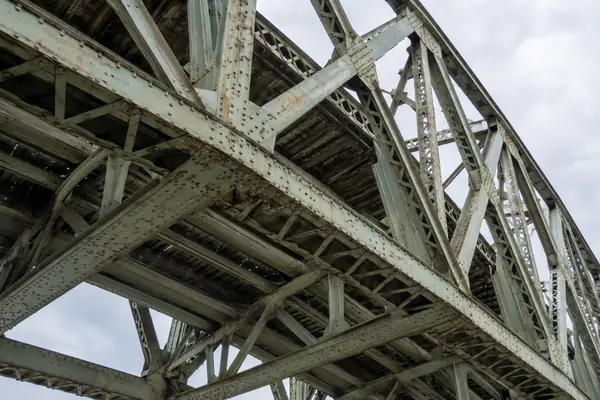
When a load presses on a beam, the top is compressed and the bottom is stretched. The further apart the piers, the weaker a beam bridge becomes.
Compare spans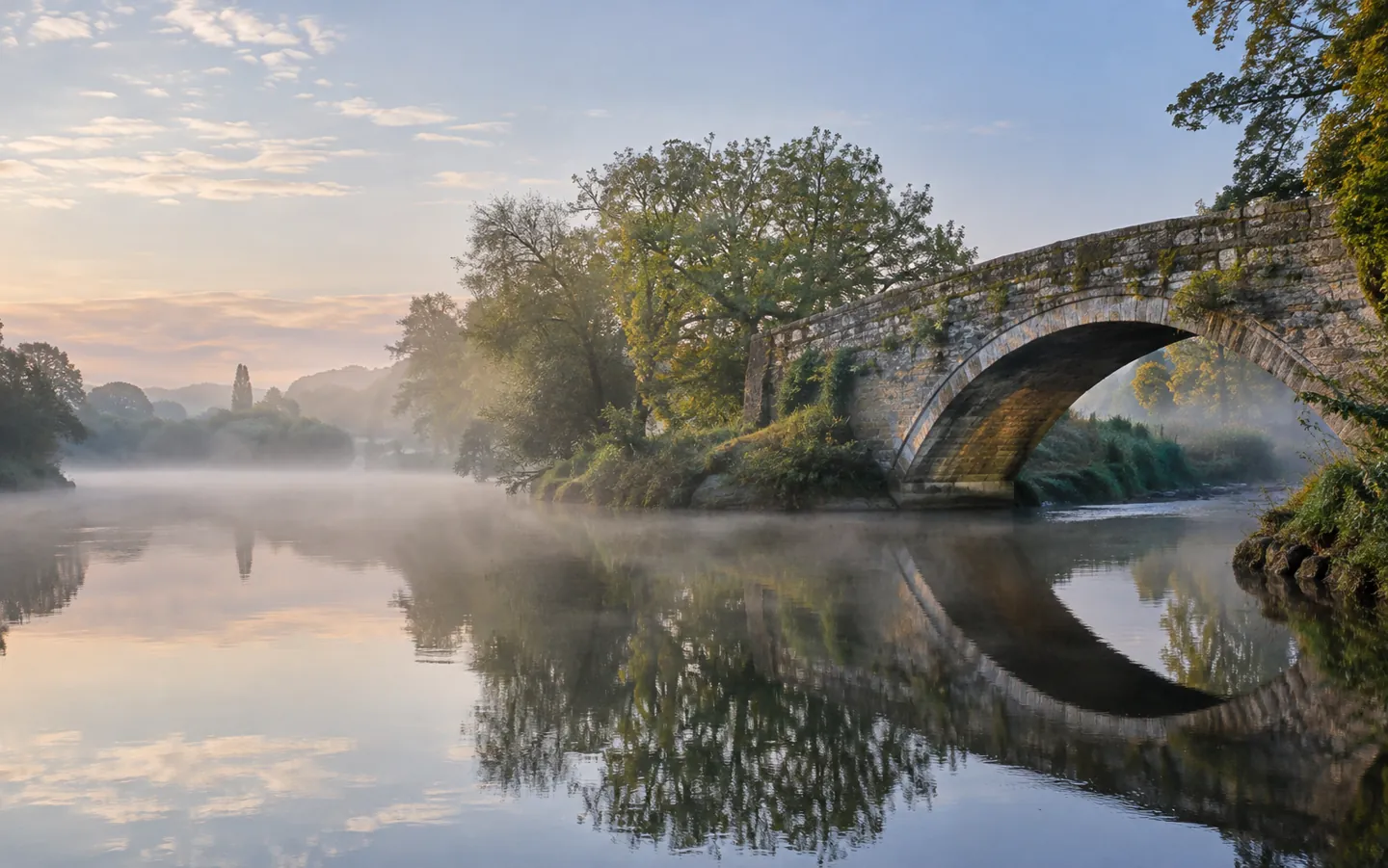
 doodlengineer™
HOW BRIDGES WORK
PUSH & PULL in every span
Two forces act on every bridge, all the time.
Compression pushes things shorter and tension pulls them longer. Engineers choose a beam, an arch or hanging cables depending on which force they want each part to carry, and how far the bridge has to reach.
Updated
Compare bridge typesTHE SHORT ANSWER
Compression shortens, tension lengthens.
A bridge must handle both without failing.
BEAM
When a load presses on a beam, the top is compressed and the bottom is stretched. The further apart the piers, the weaker a beam bridge becomes.
Compare spansARCH
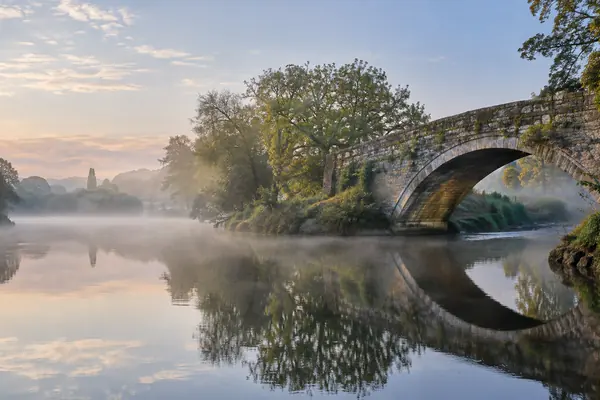
An arch carries its weight outward along the curve to supports called abutments. The aim is to carry every load in compression.
Two British firstsSUSPENSION
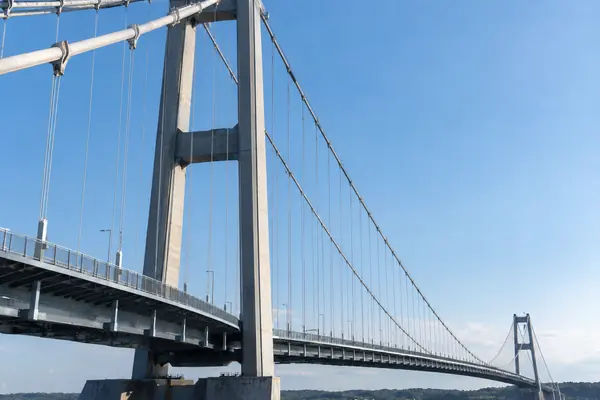
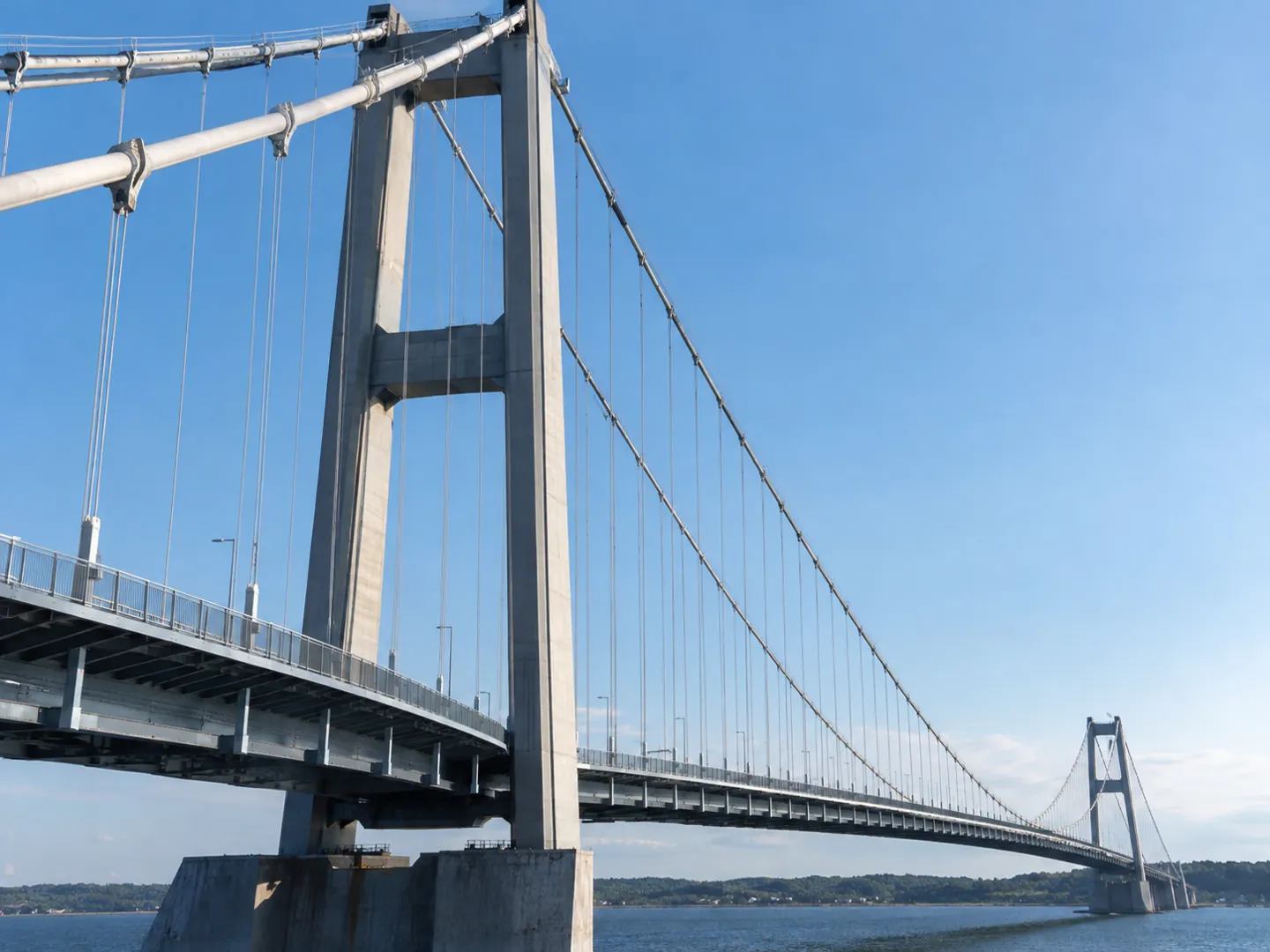
The deck hangs from cables strung over towers. The load becomes tension in the cables, which pass it on to the towers and anchors.
Spot the forcesA QUICK SPAN CHECK
Pick a bridge type to see the span range a US university engineering course gives for it. The bar shows how long the typical span is.
Figures from TeachEngineering (University of Colorado Boulder), Bridge Types: Tensile and Compressive Forces. Real bridges can fall outside these typical ranges.
TWO BRITISH FIRSTS
The world's first iron bridge,
and a record-breaking cantilever.
378 tons
Cast iron in the world's first iron bridge
Completed over the River Severn in 1779 and opened in 1781, it is a single cast-iron arch of 30 meters with five main semicircular ribs, says English Heritage.
IRON BRIDGE · 1779
541 m
Its main spans, the world's longest when it opened
UNESCO calls the Forth Bridge, a railway bridge across the Forth estuary in Scotland, one of the greatest cantilever trussed bridges. It still carries passengers and freight.
FORTH BRIDGE · 1890
English Heritage says 70% of the Iron Bridge's components, including all the large castings, were made individually to fit, and that its builders adapted carpentry joints such as dovetails for cast iron.
FOUR THINGS TO LOOK FOR
Next time you cross a bridge, try spotting how it carries you. None of these needs more than a look.
Short gaps between supports usually mean a beam: the closer the piers, the less each beam has to bend.
On an arch, trace the curve down to the abutments at each end. That is where the push goes.
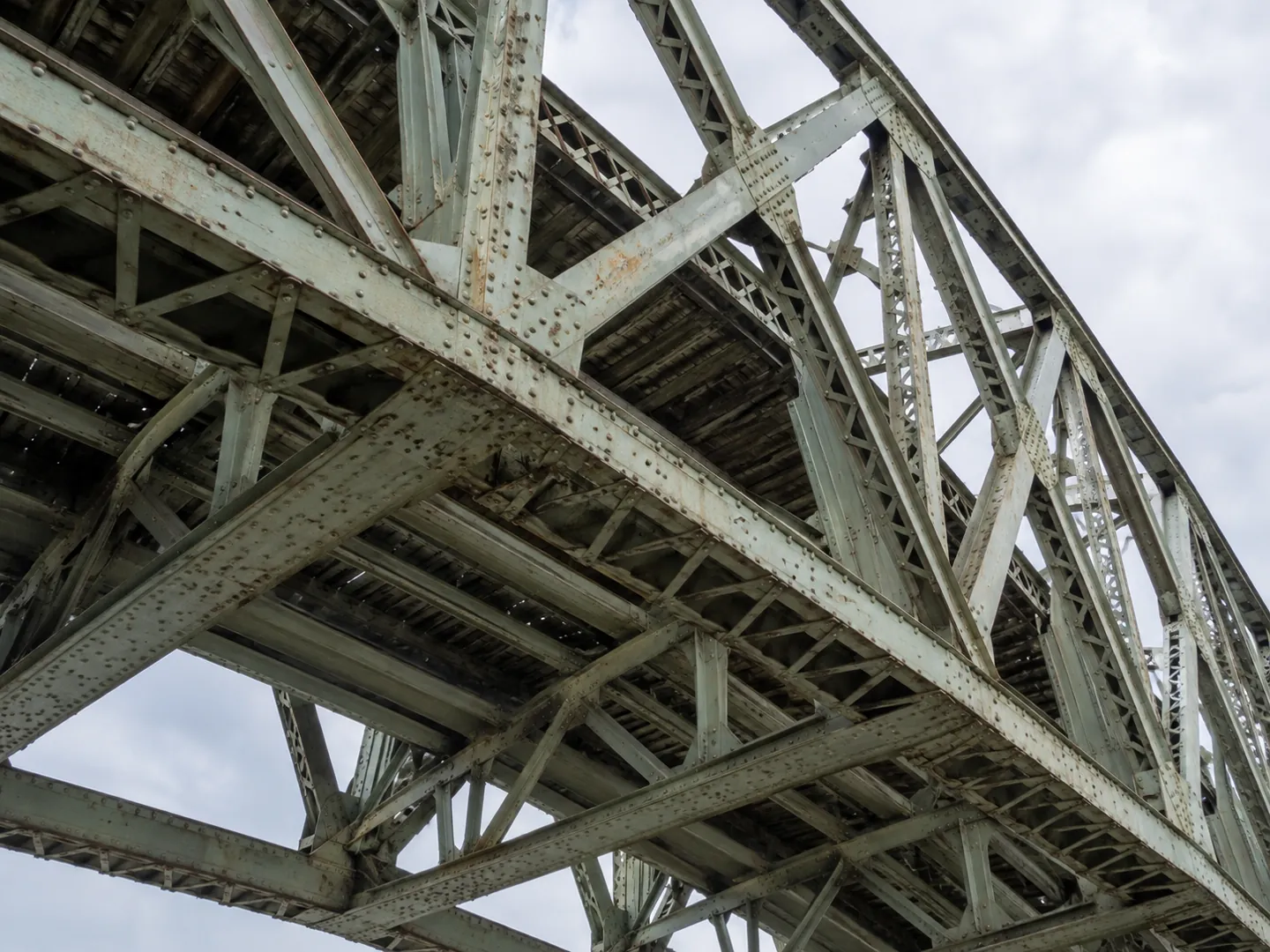
Triangular trusses let a lighter frame do the job of a solid beam, from footbridges to big rail crossings.
An M-shaped sweep over two towers means a suspension bridge; straight cables fanning from a tower mean cable-stayed.
THE OLDEST TRICK
The Romans were masters of the arch bridge, and many of their arches used little or no mortar. The stones stay together through their own weight and the compression passed between them.
Flatten an arch and things change: very large, flattened arches develop significant tensile forces that engineers must design for. The curve is doing much of the work.
QUESTIONS PEOPLE ASK
Compression is a force that shortens or squeezes something; tension lengthens or stretches it. Push the ends of a spring together and you compress it; pull them apart and you put it in tension.
Steel cables are good at carrying tension. In a suspension bridge the deck's weight becomes tension in the cables, which pass it to the towers and anchors, allowing typical spans of 610 to 2,134 meters. Clifton Suspension Bridge in Bristol, opened in December 1864, is one of the oldest surviving iron suspension bridges in the world.
The Iron Bridge over the River Severn in Shropshire, completed in 1779 and opened to traffic in 1781. English Heritage says it used 378 tons of iron, and it became a UNESCO World Heritage Site in 1986.
A cantilever trussed railway bridge across the Forth estuary in Scotland. When it opened in 1890 it had the world's longest spans, at 541 meters, according to UNESCO.
TeachEngineering groups them together but notes the difference: cable-stayed bridges anchor their cables directly to the towers, in an A-shaped pattern, and need no separate anchorages.
Sources
ABOUT THIS NAME
doodlengineer.com is part of the DoodleSale portfolio. It isn't in an auction right now, but you can ask about leasing it.